Why Paper Cuts Hurt So Much
A paper cut barely breaks the skin. There's often no visible blood. Yet the pain is immediate, sharp, and disproportionate to the injury—a fact that has puzzled people long enough for scientists to investigate why.
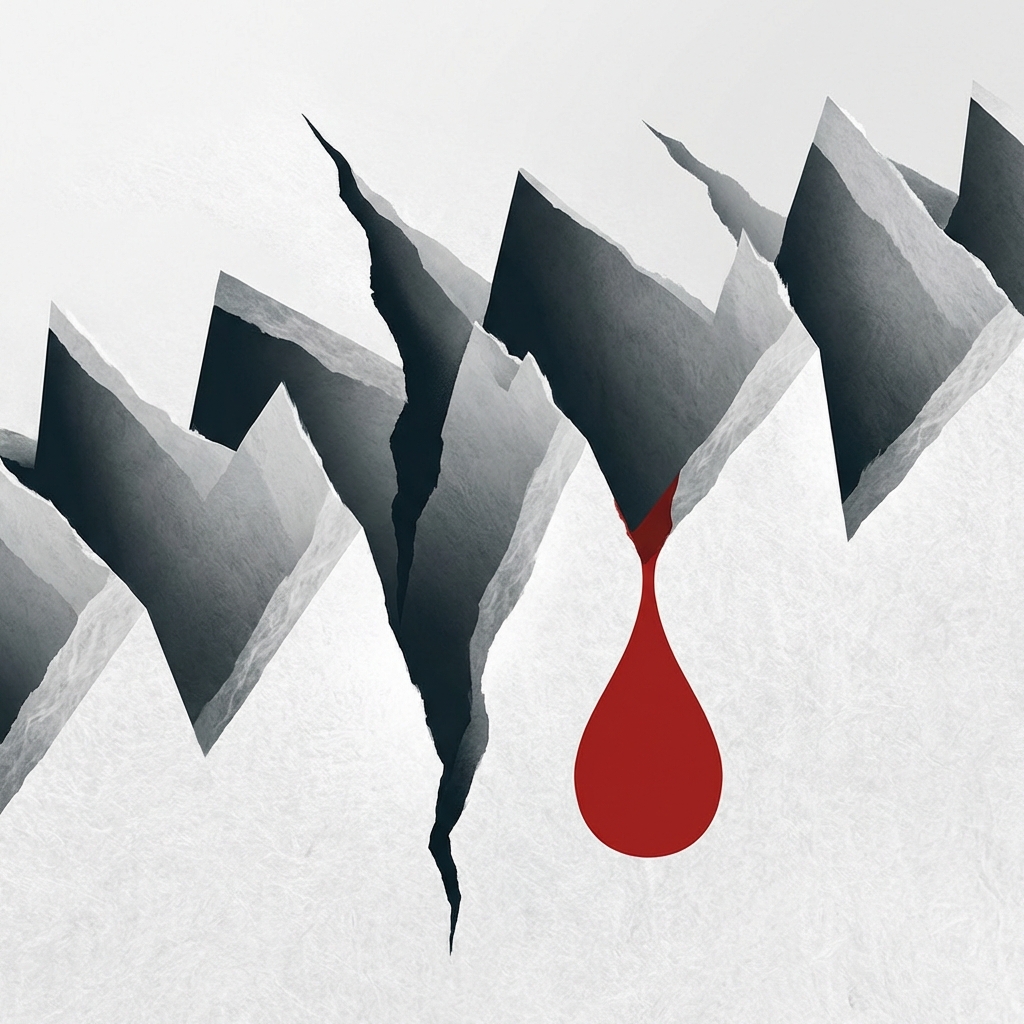
The answer begins with the fingertips, where most paper cuts occur. Fingertips are among the most densely innervated parts of the human body. They contain about 3,000 nerve endings per square centimeter, more than almost any other body surface. This density is what makes fingers so sensitive to texture, temperature, and pressure. It also means that a shallow cut there activates far more pain receptors per unit of damaged tissue than the same cut on your forearm or thigh.
The depth of the wound matters, counterintuitively, in the wrong direction. Deep cuts can sever nerves, which paradoxically reduces pain at the wound site because the damaged nerves stop transmitting. Paper cuts are shallow enough to irritate nerve endings without destroying them. The receptors remain intact and continue firing. It's the neural equivalent of being poked repeatedly rather than being hit once.
Paper itself makes it worse. Under a microscope, the edge of a sheet of paper looks like a serrated blade—rough and irregular, not smooth. When paper slices skin, it tears the tissue rather than cutting it cleanly, leaving a ragged wound with more exposed nerve endings than a clean incision from a scalpel or razor would produce.
There's also the problem of healing. Paper cuts are too shallow to trigger significant clotting. A deeper wound fills with blood that forms a protective scab, shielding the damaged tissue from air and contact. Paper cuts sit open, exposed to air and to whatever your fingers touch next—keyboard, doorknob, citrus juice. Each contact re-stimulates the exposed nerves.
The absence of visible injury adds a psychological dimension. A wound that hurts this much feels like it should look like something, and when it doesn't, the brain struggles to reconcile the sensory input with the visual evidence. The pain, in a sense, has nowhere to go.
Filed under Modern Times, ScienceFurther reading: Wikipedia
Print it for the office looPick your next sheet
Judge a story by its emoji. No peeking at titles.