Why Shopping Carts Needed Paid Actors
When Sylvan Goldman introduced the first shopping cart at his Humpty Dumpty supermarket in Oklahoma City on June 4, 1937, customers refused to use it.
Men thought pushing a cart looked effeminate. Women thought it looked too much like a baby carriage. "I've pushed my last baby," one offended shopper informed Goldman.
Goldman had designed the cart with mechanic Fred Young, basing it on a folding chair fitted with wheels and a basket. The logic was simple: if customers could carry more, they would buy more. But the logic meant nothing if people wouldn't touch the things. For weeks, the shiny new carts sat unused while shoppers continued filling their arms the old way.
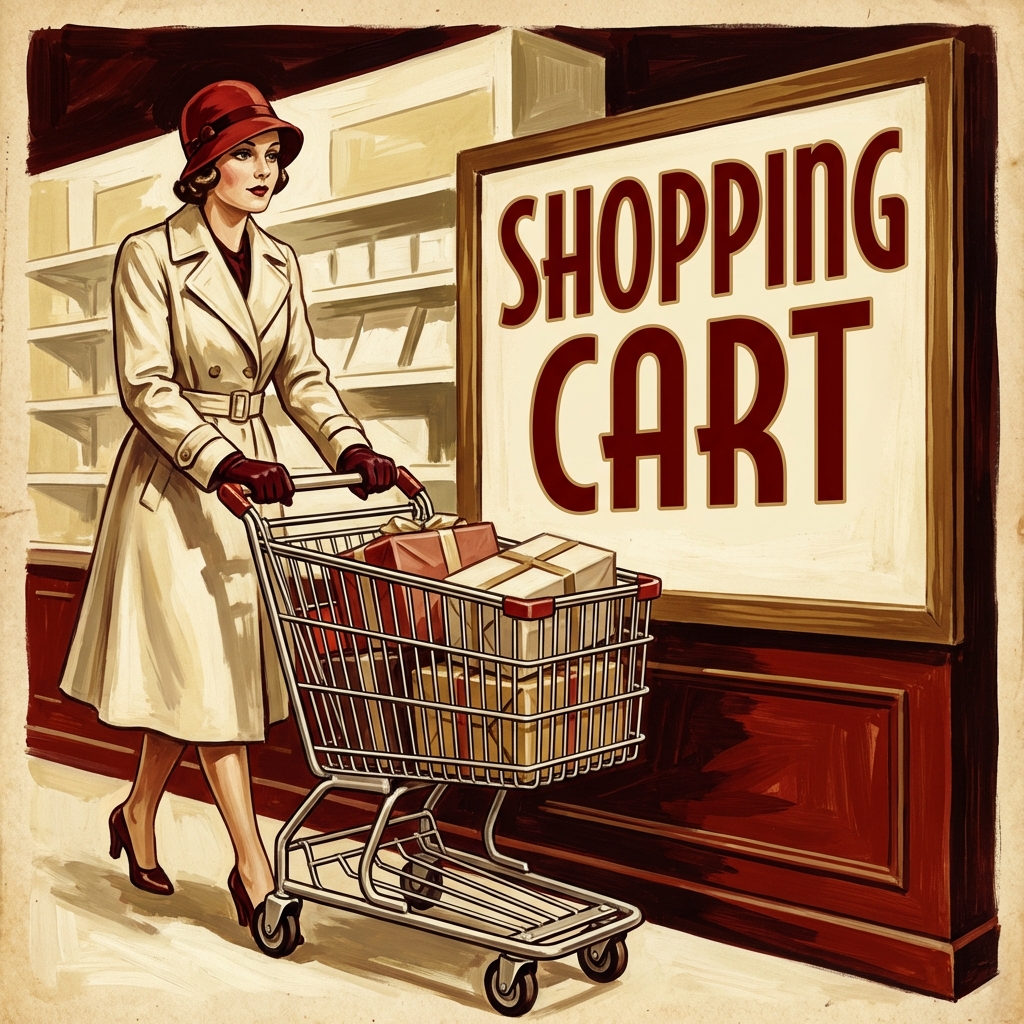
Goldman's solution was to hire attractive models—both men and women—to push carts around his store, looking confident and fashionable. He also stationed greeters at the entrance to explain how the carts worked and encourage customers to try them. The sight of well-dressed people using the carts without apparent embarrassment made other shoppers willing to follow suit.
Once customers actually tried them, the resistance vanished. The convenience was undeniable. Within a few years, Goldman was fielding orders from grocery stores across the country, and by 1940, store owners reportedly faced a seven-year wait to purchase his carts.
Goldman continued refining the design. The folding cart eventually gave way to the nested cart, which allowed stores to stack them together and save space. He also developed the enclosed cart with a hinged child seat that remains standard today. By the time of his death in 1984, Goldman had become a multimillionaire, and his invention had fundamentally changed how people shopped.
The Oklahoman newspaper credited him with revolutionizing merchandising. All it took was a folding chair, some wheels, and a few paid actors to demonstrate that pushing a cart was neither unmanly nor undignified.
Filed under Culture & Words, Inventions, AmericaFurther reading: Smithsonian Magazine
Print it for the office looPick your next sheet
Judge a story by its emoji. No peeking at titles.