How Elevators Changed Architecture
Before the elevator, the most desirable floor in any building was the first.
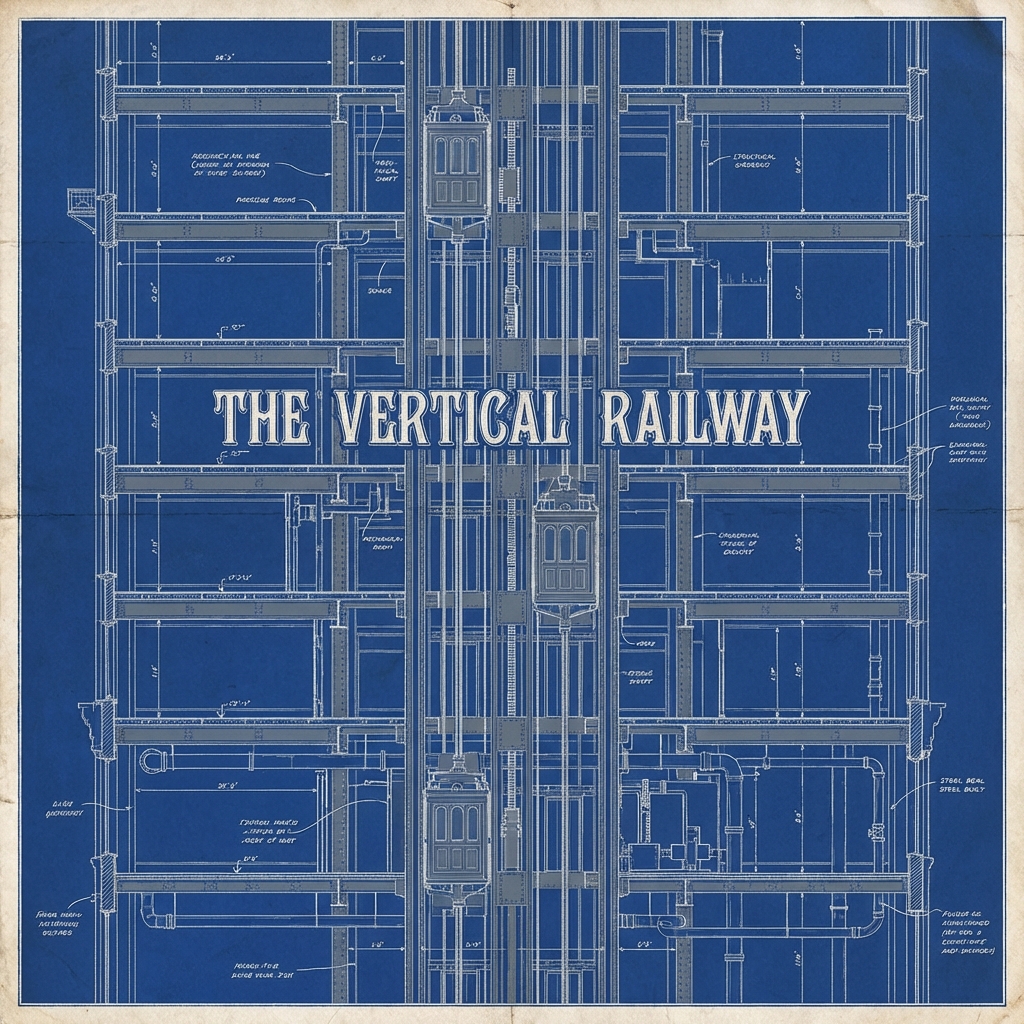
Climbing stairs was work, and the higher you went, the lower the rent. In Paris, the pattern was codified: wealthy families occupied the first and second floors, the middle class lived on the third and fourth, and servants and the poor were consigned to the attic. Walking up six flights was a daily reminder of your place in the social order.
Elisha Otis didn't invent the elevator—hoisting platforms had existed in various forms for centuries. What Otis invented, in 1852, was the safety brake. He demonstrated it at the Crystal Palace exhibition in New York in 1854 by standing on a hoisting platform and ordering the rope cut. The platform dropped a few inches and stopped. "All safe, gentlemen," he reportedly said. The demonstration didn't make him famous—Otis sold only three elevators that year—but it solved the problem that had kept people from trusting mechanical lifts with their lives.
The first passenger elevator was installed in a five-story department store at 488 Broadway in New York City in 1857. Within a decade, elevators were appearing in hotels, office buildings, and luxury apartments. The immediate architectural consequence was the inversion of the real estate hierarchy. Suddenly, the top floors offered the best views, the most light, and the least street noise, without requiring any physical effort to reach. The penthouse became the prize.
The deeper consequence was the skyscraper. Without elevators, buildings taller than about six stories were impractical—no one would rent space that required a ten-flight climb. With elevators, the only limits were structural. The Home Insurance Building in Chicago, completed in 1885 and generally considered the first skyscraper, was ten stories tall. By 1913, the Woolworth Building in New York reached 57 floors.
Otis's company grew with the buildings. By the mid-20th century, Otis Elevator Company controlled roughly two-thirds of the world market. The company still exists. The safety brake Elisha Otis demonstrated in 1854 remains, in modified form, a standard feature of every modern elevator.
Filed under The 1800s, Inventions, AmericaFurther reading: Wikipedia
Print it for the office looPick your next sheet
Judge a story by its emoji. No peeking at titles.