The Shortest War in History
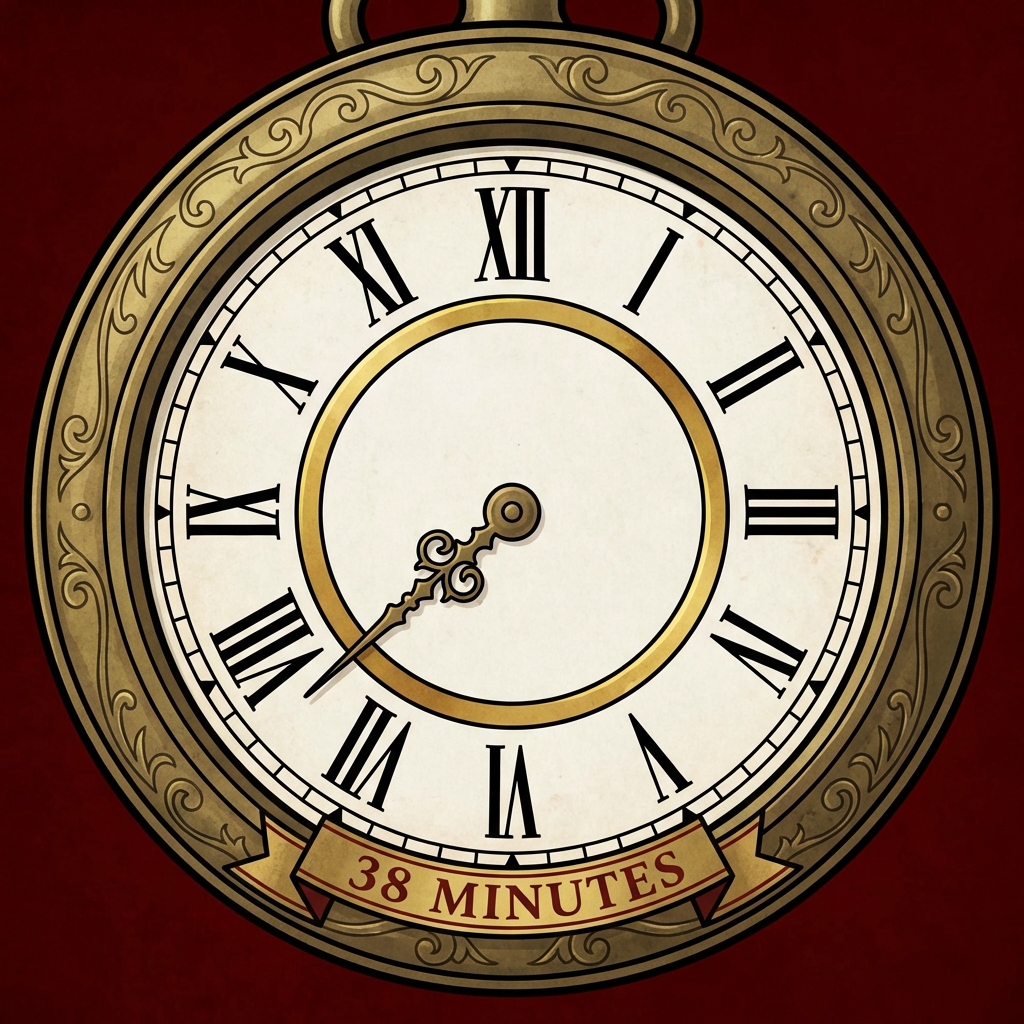
On August 27, 1896, the British Empire went to war with the Sultanate of Zanzibar. The conflict lasted between 38 and 45 minutes, depending on the source, making it the shortest war in recorded history.
The crisis began two days earlier, when Sultan Hamad bin Thuwaini died under circumstances the British found suspicious. His successor, Khalid bin Barghash, had taken the throne without British approval—a requirement under a treaty that effectively made Zanzibar a British protectorate. Britain had a preferred candidate, Hamud bin Mohammed, who was considered more cooperative. The British issued an ultimatum: Khalid had until 9:00 AM on August 27 to stand down and leave the palace. He refused.
Khalid barricaded himself inside the palace with roughly 2,800 defenders, including palace guards, servants, and civilians. He positioned an artillery battery outside and commandeered the royal yacht, HHS Glasgow, in the harbor. Against this, the British assembled five warships, several hundred Royal Marines, and a force of locally recruited soldiers.
At 9:00 AM precisely, the bombardment began. The British ships opened fire on the palace, which was made of wood and didn't withstand naval artillery for long. The palace guard's shore battery managed to return fire briefly before being destroyed. The HHS Glasgow sank after a few salvos—its crew had attempted to fire on the British flagship but were outgunned immediately. The palace caught fire. Khalid fled through a back exit and took refuge in the German consulate, where he claimed diplomatic asylum.
By 9:45 AM, the shelling had stopped and the palace had surrendered. Approximately 500 of Khalid's defenders were killed or wounded. On the British side, one sailor was injured.
Hamud bin Mohammed was installed as sultan that afternoon. He served as a compliant figurehead for the British until his death in 1902. Khalid remained in German-controlled East Africa until 1916, when British forces captured him during World War I. He was exiled to the Seychelles and later to Mombasa, where he lived quietly until his death in 1927.
Filed under Around the World, Disasters & Drama, The 1800sFurther reading: Wikipedia
Print it for the office looPick your next sheet
Judge a story by its emoji. No peeking at titles.