The Tree That Owns Itself
On a quiet residential corner in Athens, Georgia, there stands a white oak tree that legally owns itself—and the eight feet of land surrounding its trunk in every direction. The deed was granted sometime in the early 1800s by Colonel William Henry Jackson, who had played under the tree as a boy and wanted to ensure it would never be cut down.
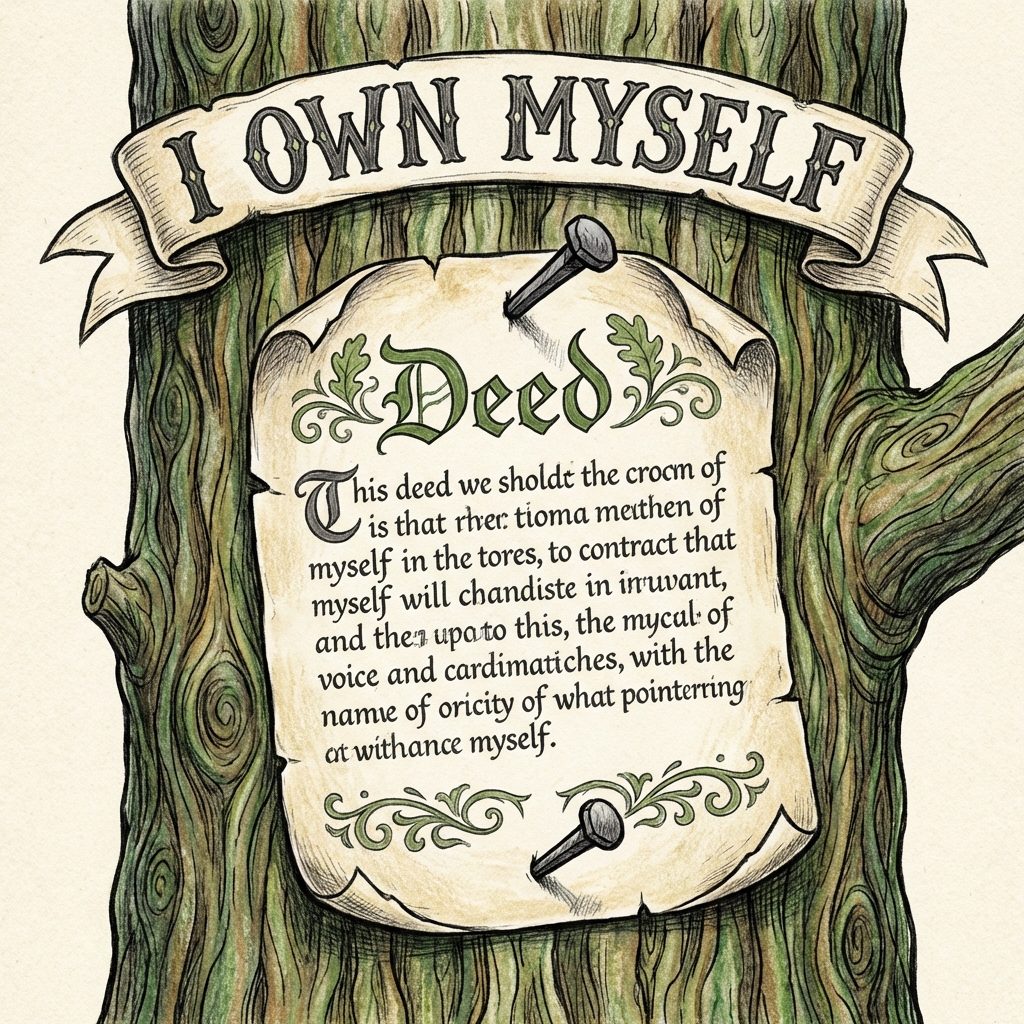
Jackson's deed, recorded in local property records, reportedly read: "I, W. H. Jackson, of the county of Clarke, of the one part, and the oak tree... of the other part: Witnesseth, That the said W. H. Jackson for and in consideration of the great love I bear this tree and the great desire I have for its protection for all time, I convey entire possession of itself and all land within eight feet of the tree on all sides."
Whether a tree can legally own property has never been tested in court. Legal scholars have noted that the deed is, at best, a symbolic gesture—American property law doesn't recognize trees as legal entities capable of holding title. But no one has challenged it, and the city of Athens has treated the tree as a local landmark since the 19th century.
The original tree fell in a storm on October 9, 1942. The Athens community planted a new white oak in its place, grown from one of the original tree's acorns. This successor, known as the Son of the Tree That Owns Itself, still stands today and is considered to have inherited its parent's property rights, such as they are.
The tree has become one of Athens' most visited landmarks. The Junior Ladies Garden Club of Athens erected a plaque at the site in 1890. The University of Georgia, located nearby, includes the tree on campus walking tours. Visitors sometimes leave notes.
The concept has inspired imitators. In the Swedish city of Malmö, an elderly elm tree was "adopted" by residents to prevent its removal during a development project in 2008. But the Athens oak appears to be the only tree in the United States that holds a recorded property deed in its own name.
Filed under Culture & Words, The 1800s, AmericaFurther reading: Wikipedia
Print it for the office looPick your next sheet
Judge a story by its emoji. No peeking at titles.