The Night Witches
During World War II, the Soviet Union formed three all-female air regiments. The most famous was the 588th Night Bomber Regiment, which the Germans came to call the Nachthexen—the Night Witches. The regiment flew over 23,000 combat sorties between 1942 and 1945, mostly at night, in plywood-and-canvas biplanes designed for crop dusting.
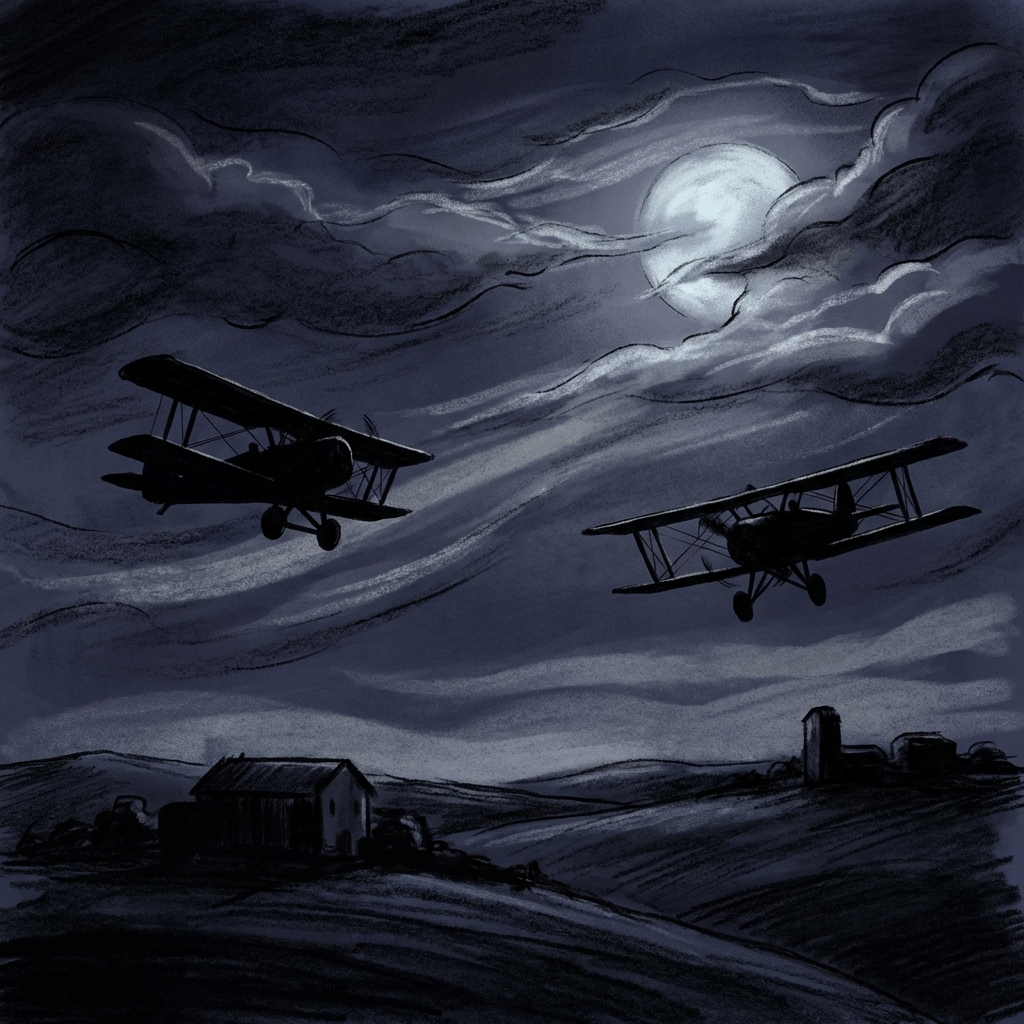
The aircraft was the Polikarpov Po-2, a two-seat open-cockpit trainer built in the 1920s. It had a top speed of about 94 miles per hour—slower than the stall speed of most German fighters, which meant that Messerschmitts attempting to intercept the bombers sometimes overshot them entirely. The planes carried no radar, no radios, and no parachutes. Each could carry only two bombs at a time, so pilots flew multiple sorties per night—sometimes as many as eighteen.
The regiment developed a distinctive attack technique. Pilots would approach the target at altitude, then cut their engines and glide silently over the enemy position before releasing their bombs. German soldiers reported that the only sound was a faint whooshing, like a broomstick—which is how the name "Night Witches" originated. After dropping their bombs, the pilots would restart their engines and climb away in the dark.
The regiment was formed in October 1941 by Marina Raskova, a celebrated Soviet aviator who had personally petitioned Joseph Stalin to allow women to fly combat missions. The women, most of them in their late teens and early twenties, were initially given ill-fitting men's uniforms and cast-off equipment. They modified their boots by stuffing them with newspaper and sewed their own flight suits.
The 588th flew from 1942 until the end of the war, participating in the battles of the Caucasus, Crimea, Belarus, and Poland. Twenty-three of its pilots were awarded the title Hero of the Soviet Union, the country's highest distinction. Thirty members were killed in action. The regiment was never disbanded for losses—it was one of the most decorated units in the Soviet Air Force.
Filed under Heartwarming, Disasters & Drama, EuropeFurther reading: Wikipedia
Print it for the office looPick your next sheet
Judge a story by its emoji. No peeking at titles.