How Chocolate Became a Candy Bar
For about 3,000 years, chocolate was a drink.
The Olmec, Maya, and Aztec civilizations consumed cacao as a bitter, frothy liquid, often mixed with chili peppers, vanilla, and water. The Maya called it "xocolatl." It was used in religious ceremonies, served at royal courts, and traded as currency. Aztec emperor Montezuma reportedly drank fifty cups a day.
When Spanish conquistadors brought cacao to Europe in the 16th century, the drink was still bitter. Europeans sweetened it with sugar and cinnamon, and by the 1600s, chocolate houses rivaled coffeehouses in cities like London and Amsterdam. But it remained a liquid. For three centuries after its arrival in Europe, nobody ate chocolate—they drank it.
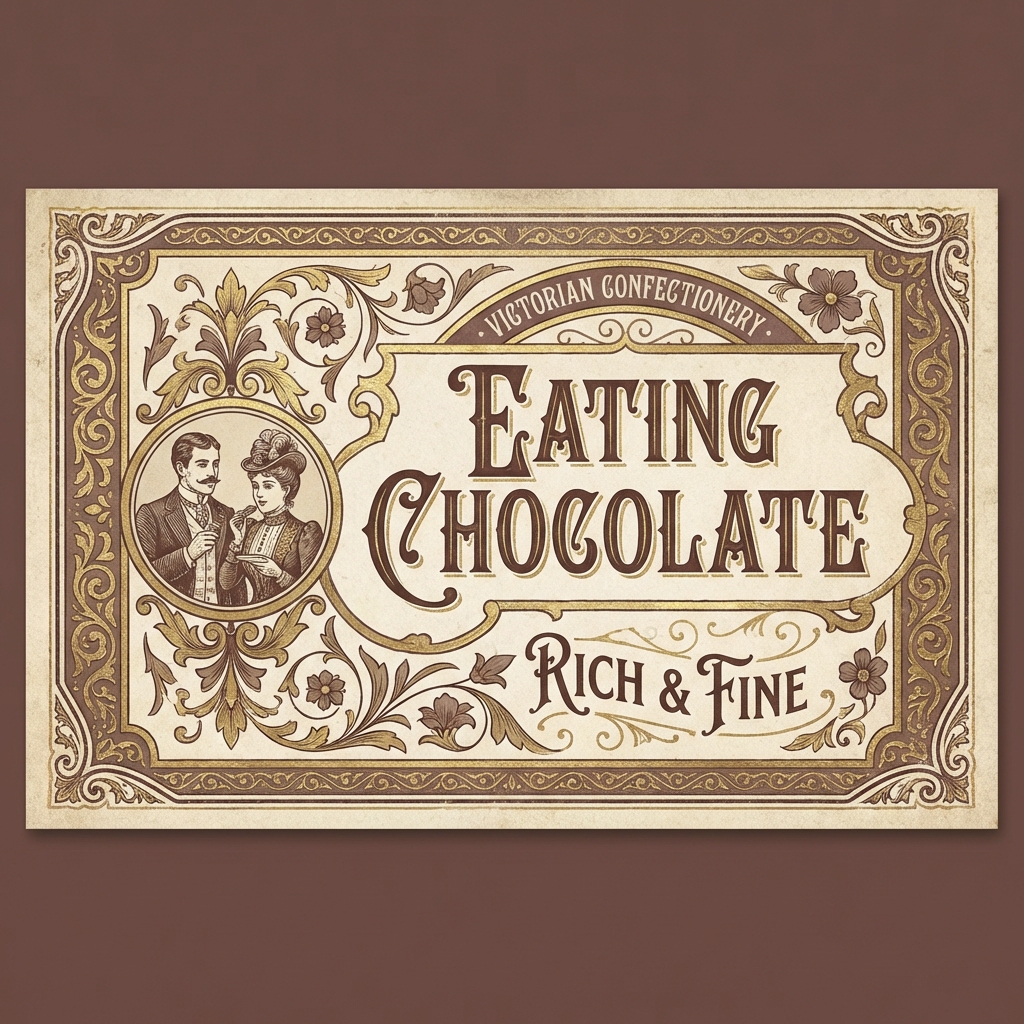
The transformation began in 1828, when a Dutch chemist named Coenraad van Houten invented the cocoa press, which separated cocoa butter from the roasted cacao bean. This produced cocoa powder, which dissolved more easily in liquid. The leftover cocoa butter turned out to be the key ingredient for making solid chocolate. In 1847, Joseph Fry & Sons in Bristol, England, mixed cocoa powder, sugar, and melted cocoa butter into a paste that could be poured into a mold. The first modern chocolate bar was born.
The next advances came quickly. In 1875, Daniel Peter, a Swiss candlemaker, partnered with his neighbor Henri Nestlé to add condensed milk to the formula, creating milk chocolate. In 1879, another Swiss chocolatier, Rodolphe Lindt, invented conching—a process of continuously heating and mixing chocolate for hours—which produced the smooth, melt-in-your-mouth texture that distinguishes modern chocolate from its gritty predecessors.
Mass production followed. Milton Hershey built his Pennsylvania factory in 1903, and by the 1920s, chocolate bars were among the most popular and affordable confections in the world. During World War II, the U.S. military commissioned Hershey to produce a heat-resistant chocolate ration bar for soldiers—the "D ration bar," designed to taste just good enough that troops wouldn't eat it for pleasure.
Filed under Food, The 1800s, HistoryFurther reading: Wikipedia
Print it for the office looPick your next sheet
Judge a story by its emoji. No peeking at titles.