The Hermitage Cats
The Hermitage Museum in St. Petersburg, Russia, is one of the largest art museums in the world. It houses over three million items, including works by da Vinci, Rembrandt, and Matisse. It also employs roughly seventy cats.
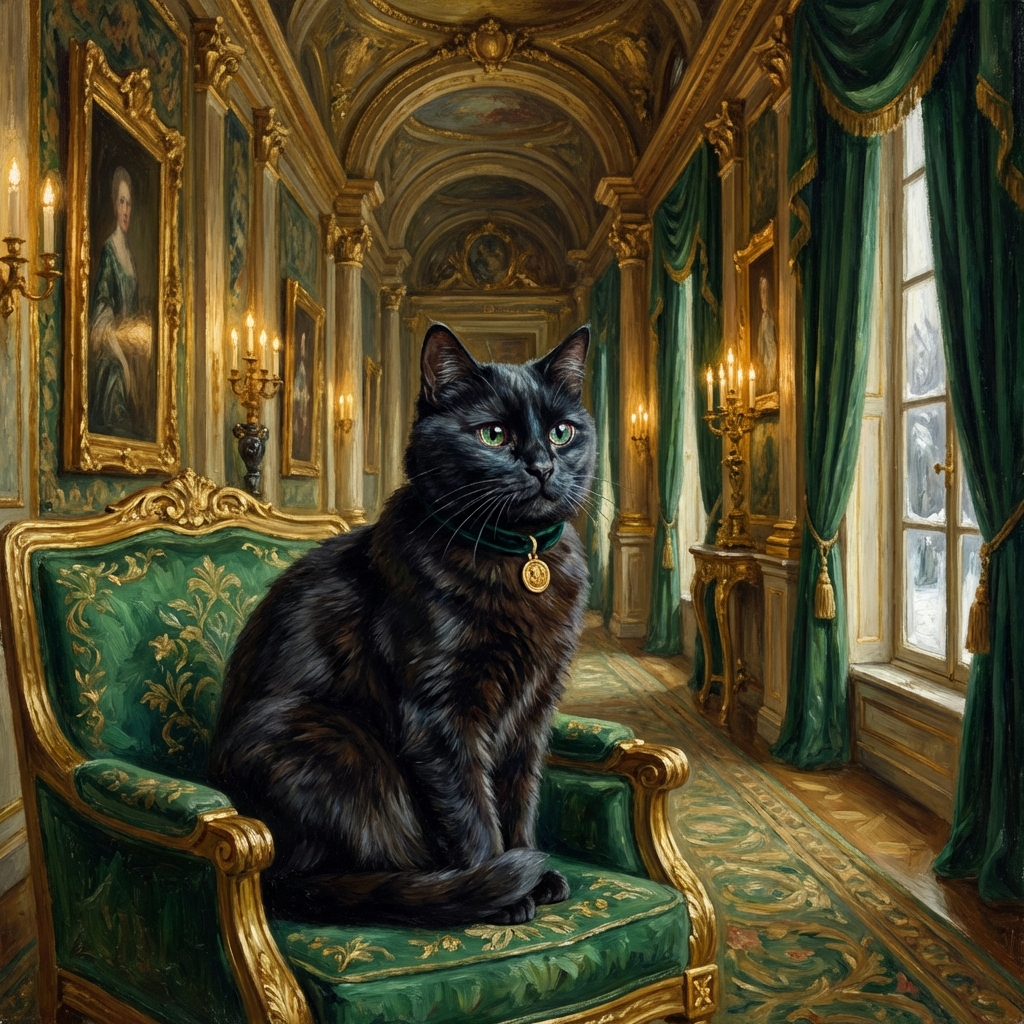
The cats have been at the Hermitage since 1745, when Empress Elizabeth, the daughter of Peter the Great, issued a decree ordering "the best and biggest cats" to be sent to the Winter Palace to deal with its rat problem. The palace had been plagued by rodents that damaged food stores, furniture, and—most critically—the growing art collection. Elizabeth's solution was practical: cats were cheaper than traps and self-maintaining.
When Catherine the Great took the throne in 1762, she formalized the arrangement. The cats were designated official palace employees, given designated living quarters in the basement, and divided into categories: indoor cats for the galleries and outdoor cats for the grounds. Catherine reportedly preferred Italian greyhounds to cats personally but recognized the cats' utility.
The cat population has fluctuated with history. During the 900-day Siege of Leningrad in World War II, when the city was blockaded by German forces and roughly a million civilians died of starvation, the cats disappeared. Some were eaten. Others died of cold and hunger. The rat population exploded, threatening both the remaining inhabitants and the museum's collection. After the siege was lifted in 1944, the Soviet government shipped in two carloads of cats from Siberia and central Russia to repopulate the Hermitage and the city.
Today, the cats live in the museum's basement and courtyards. They have their own kitchen, a small hospital room, and designated caregivers from the museum staff. Each cat has a name and a passport-style identification card. Volunteers supplement their care. The museum celebrates World Cat Day annually and runs an adoption program for surplus cats.
The Hermitage cats have become a tourist attraction in their own right. Visitors sometimes spend more time looking for cats in the courtyards than for Rembrandts in the galleries.
Filed under Heartwarming, Before 1800, Culture & WordsFurther reading: Wikipedia
Print it for the office looPick your next sheet
Judge a story by its emoji. No peeking at titles.